

The phone rings. Everyone knows that icy panic when time slows down as the plastic outer casing of your smartphone vibrates noisily against the desk.
A torturous, acerbic potentiality floods your senses as a prospective job calls – an unanticipated verbal exchange that the failure or success of a few short breaths may determine.
Long gone are the days when face-to-face interaction was the blossom of all professional liaisons and prep time for interviews was days or weeks, rather than scrambled together after a surprise onslaught from multiple communication interfaces. You can’t hide.
Thanks to global access to digital technology and the constant connectivity afforded by mobile devices, the boundaries between work and home, professional and personal, are disappearing.
As no stranger to the life of telecommuting, I can hardly count the number of times a videoconference has caught me out of the blue, without makeup, pants, or dignity of any kind. It’s a reality I have adapted to, because whether I am in the office, at home, out, or abroad, I am connected – and therefore, working.
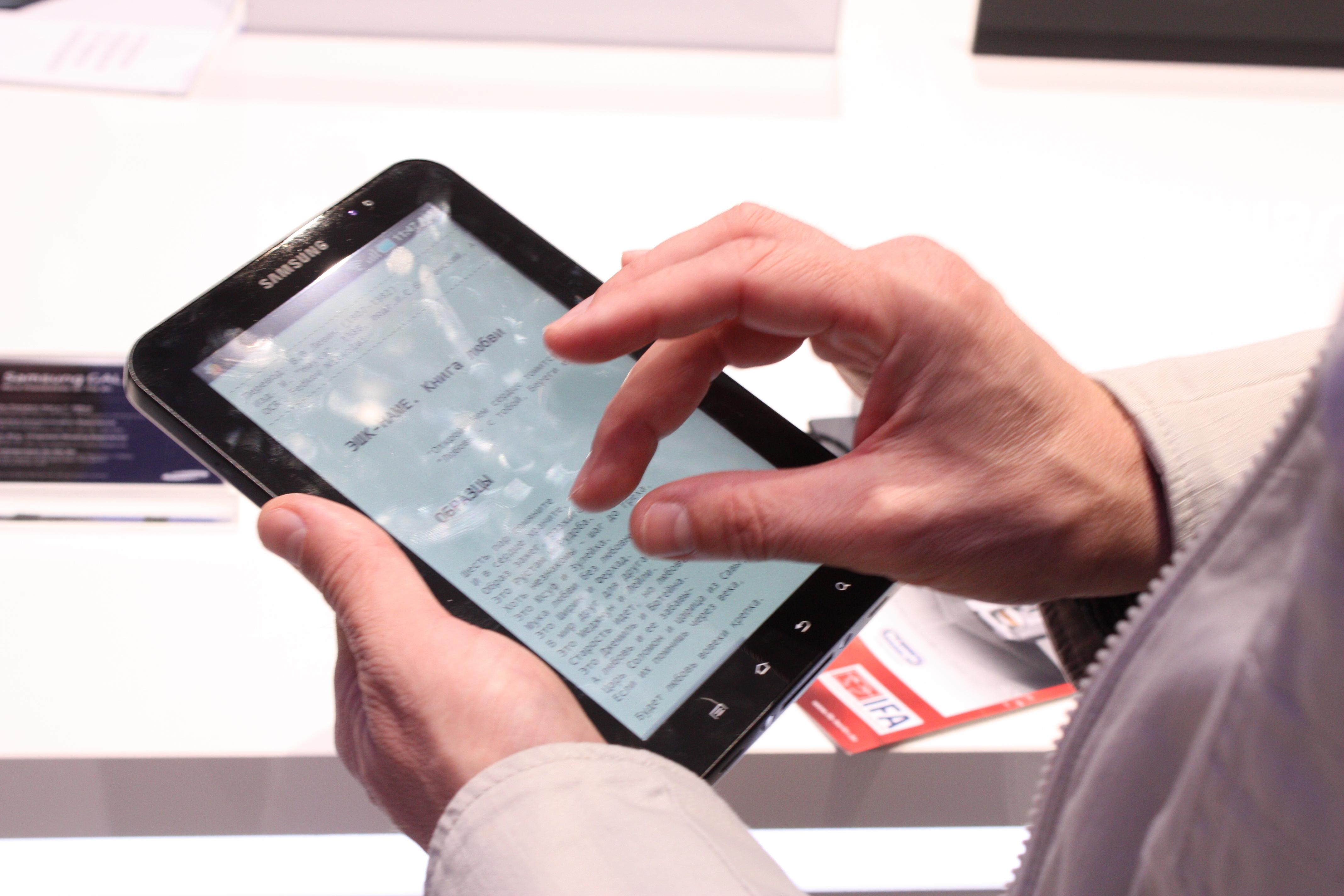 Likewise, long gone are the days when leaving the office meant your day was done. According to a survey conducted by GFI Software, more than 80% of employees check work updates outside of work, including at weddings, funerals, birthdays, and graduations. A whopping 6% even reported connecting while they, or their spouse were in labor. If that’s not crossing the line, I’m not sure what is.
It’s not dedication…it’s a collective cultural reality.Your kids are getting used to seeing you on your smartphone at the dinner table while your bosses are getting used to your annoying habit of posting pictures of cats on Facebook.
Today, immediacy rules every sphere of human interaction. We want to know it, we want to know it now, and we want to move on. The same GFI survey reported that 76% of US employees reply to emails within one hour of receiving them, while 95% expect a reply within one working day. Communicating has become addicting, intense, and overwhelming.
According to an international poll by Ernst & Young., one out of every three US employees says maintaining a healthy work-life balance has gotten tougher. “The notion of a 40-hour work week may be a thing of the past for managers, as approximately half are working 40-plus hour weeks and four in 10 say their hours have increased over the past five years,” the report said.
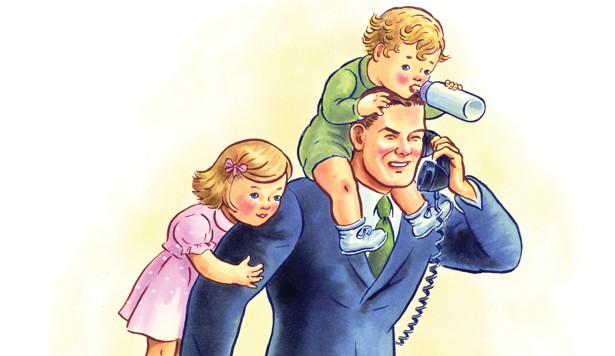 The question is: Can this homogenization of a home-work life be managed? According to an article by The Guardian, there is hope. Facebook refers to this phenomenon as “the work-life merge” and the idea is not to fight the unification, but embrace it.
Compartmentalization offers structure and boundaries to our lives and that give us a feeling of control. But there is no reason why we cannot find structure and control under the new regime of a unified work-life. The key is to prioritize your tasks in both categories and make sure to divide attention evenly between your two selves. Set professional calendar meetings for family and friends and structure work around important personal events.
By coloring your professional life with the passion and energy of your true self while at the same time remaining connected with your personal agenda, your work will improve. Likewise, by staying in touch with your professional self outside of work, you make life easier for yourself when you’re actually sitting in the office.
 Interactive Thoughts